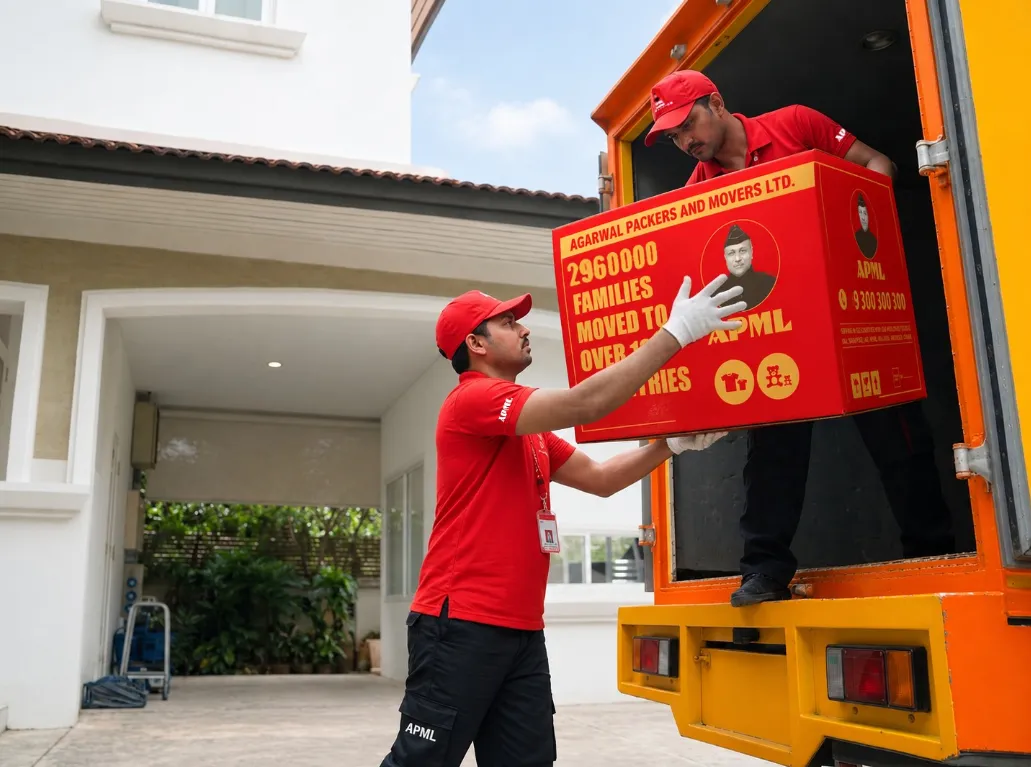
Introduction
Relocating to a new home can be exciting, but the practical work involved can quickly become demanding. Household shifting may include sorting possessions, protecting furniture, packing fragile items, arranging transport and coordinating delivery at the new address. A clear plan helps reduce avoidable confusion and gives you more control over the process. Whether you are moving between neighbourhoods or leaving Delhi for another city, compare relocation providers carefully instead of choosing only by the lowest advertised price.
Understand Your Moving Requirements
Start by listing the rooms and major items that need to be moved. Include beds, wardrobes, sofas, dining tables, refrigerators, washing machines, televisions, kitchenware, books and personal belongings. Note items that need special handling, such as mirrors, glass furniture, artwork or delicate electronics. Also record both addresses, the preferred date and any access restrictions. Narrow staircases, limited parking, lift reservations and gated-community rules can affect the time and labour required, so disclose them when requesting estimates.
Compare Services, Not Just Prices
A useful quotation should clearly state what the provider will do. Check whether packing materials, packing labour, loading, transportation and unloading are included. Unpacking, furniture dismantling, reassembly, storage and special packing may be optional or charged separately. Ask what circumstances could change the estimate, such as extra goods or difficult access. Compare written quotations based on the same inventory and requirements; otherwise, a lower figure may simply exclude services another company has included.
Assess Packing and Handling
Different belongings need different protection. Books should be packed in manageable cartons, while crockery and glassware need cushioning and careful placement. Electronics should be prepared according to their manufacturers’ guidance, and furniture may need protective wrapping around corners and finished surfaces. Ask how fragile items will be identified, packed and loaded. If you own antiques, valuable artwork or unusually shaped furniture, explain this before the booking is confirmed rather than waiting until moving day.
Check Documentation and Protection
Keep the written estimate, booking confirmation and a basic inventory of important possessions. Ask whether transit insurance is available, what it covers, which exclusions apply and how a claim must be reported. Do not assume that every item is automatically insured or that every kind of damage is covered. Clarify how the company records collection and delivery, and retain photographs of valuable items when useful. Clear paperwork helps both parties understand the agreed scope of work.
Prepare Before the Crew Arrives
Declutter first by separating belongings to keep, donate, sell or discard. Label cartons by room and mark fragile boxes clearly. Keep jewellery, cash, identity documents, medicines, keys and essential electronics under your direct supervision. Pack a separate first-night bag with toiletries, chargers, basic clothing and items you will need immediately. If you live in an apartment, reserve the lift and confirm vehicle-entry rules. Make sure the destination is ready to receive furniture and cartons.
Making an Informed Choice in Delhi
People researching Agarwal Packers and Movers Delhi can review the provider’s official service information and ask for a quotation based on their actual inventory and addresses. The company’s service page is a useful starting point for discussing the type of relocation required, but you should still confirm the precise services, schedule and terms in writing. When comparing the Best Packers and Movers in Delhi, evaluate communication, clarity of pricing, packing arrangements and documentation alongside the estimated cost.
Moving-Day Checks
Before leaving the old property, check cupboards, drawers, balconies and storage spaces for forgotten belongings. Confirm that the agreed inventory has been collected and tell the team about any last-minute handling concerns. At the destination, guide the crew on where to place large furniture and room-labelled cartons. Inspect important items promptly and report missing or damaged goods using the provider’s stated procedure. Keep copies of messages and booking documents until the move is complete.
Conclusion
A smooth relocation is usually the result of preparation and clear expectations rather than luck. Create an inventory, compare detailed estimates, confirm packing arrangements and retain the relevant paperwork. These steps make it easier to choose a service that fits your needs and budget. Review the official service information, explain your circumstances accurately and confirm the final scope in writing before committing to a moving date.
Confirm the Final Arrangement
Before finalising any booking, ask the provider to confirm the planned arrival window, contact person and process for handling schedule changes. Keep a copy of the estimate on your phone and share the relevant details with another adult in the household. If your building has security gates, notify the guard or management office in advance and check whether the moving vehicle needs a pass. Keep walkways clear so the crew can carry boxes without obstacles. Children and pets should stay away from active loading areas. After the truck is loaded, make one final walk-through of every room and storage space. These checks take only a little time but can prevent forgotten items and reduce confusion at the destination. At delivery, check the major pieces against your inventory before disposing of packing materials. If something appears missing or damaged, take clear photographs and contact the service provider promptly, following the written procedure. A calm, documented process is more useful than relying on memory after a busy day.
A final practical step is to keep communication simple. Save the coordinator’s phone number, confirm the arrival window and tell the provider promptly if the inventory or access arrangements change. Keep children and pets away from active loading areas, and make sure the destination contact can answer calls during delivery. These small checks help everyone work from the same information and make it easier to resolve questions while the move is underway.